Electricity bills have become an important household expense, especially for people who regularly use air conditioners, refrigerators, televisions, computers, washing machines, and other electrical appliances. Because of this, small plug-in devices claiming to reduce electricity consumption have attracted considerable attention.
ZeroWattic Power Saver is one such device. Marketed as a compact electricity-saving solution, it is designed to be plugged into a power outlet and used as part of a household electrical setup. Its small size makes it look simple to install, but the bigger question is whether a device like this can actually make a noticeable difference to your electricity bill.
In this ZeroWattic Power Saver review for 2026, we will look at what the device is, how it is presented, what users should realistically expect, its potential advantages and limitations, and the important things to consider before purchasing.
Important: This article focuses on the product information visible in the supplied product image and general electrical principles. Specific claims about savings, certifications, test results, or guaranteed bill reductions should be independently verified from the manufacturer’s current official information before purchase.
What Is ZeroWattic Power Saver?
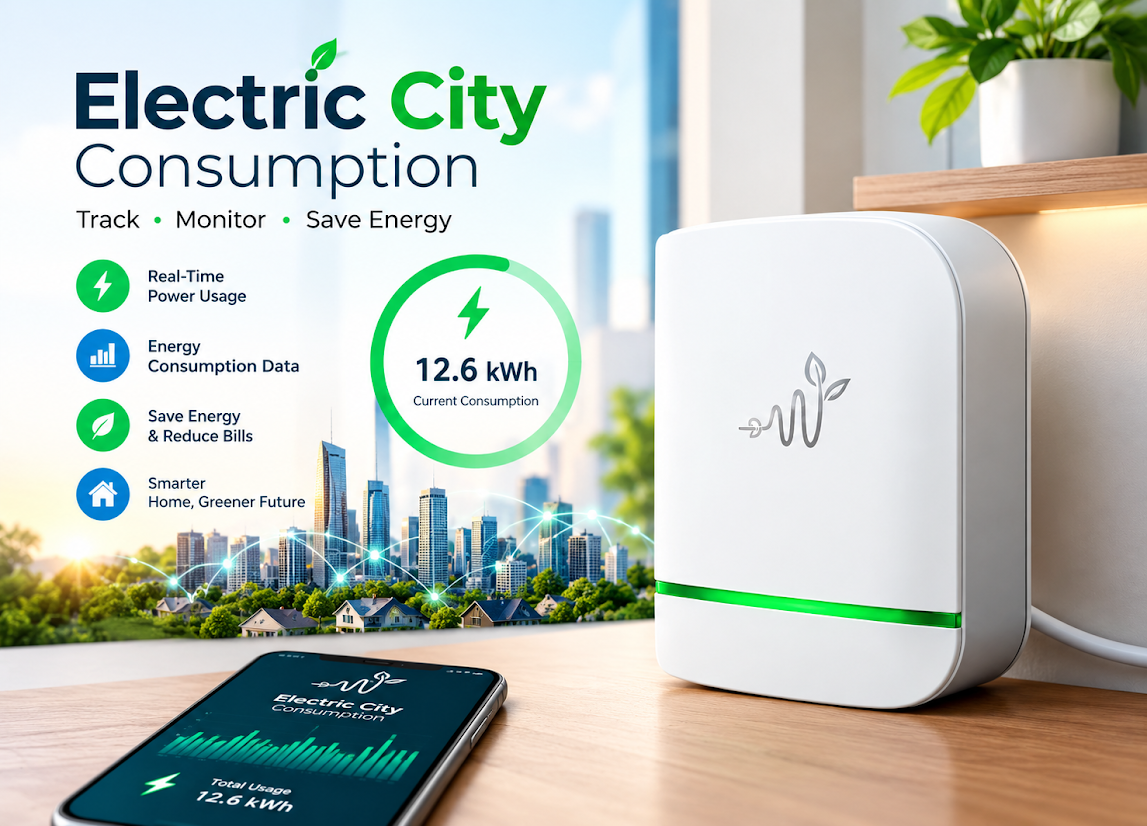
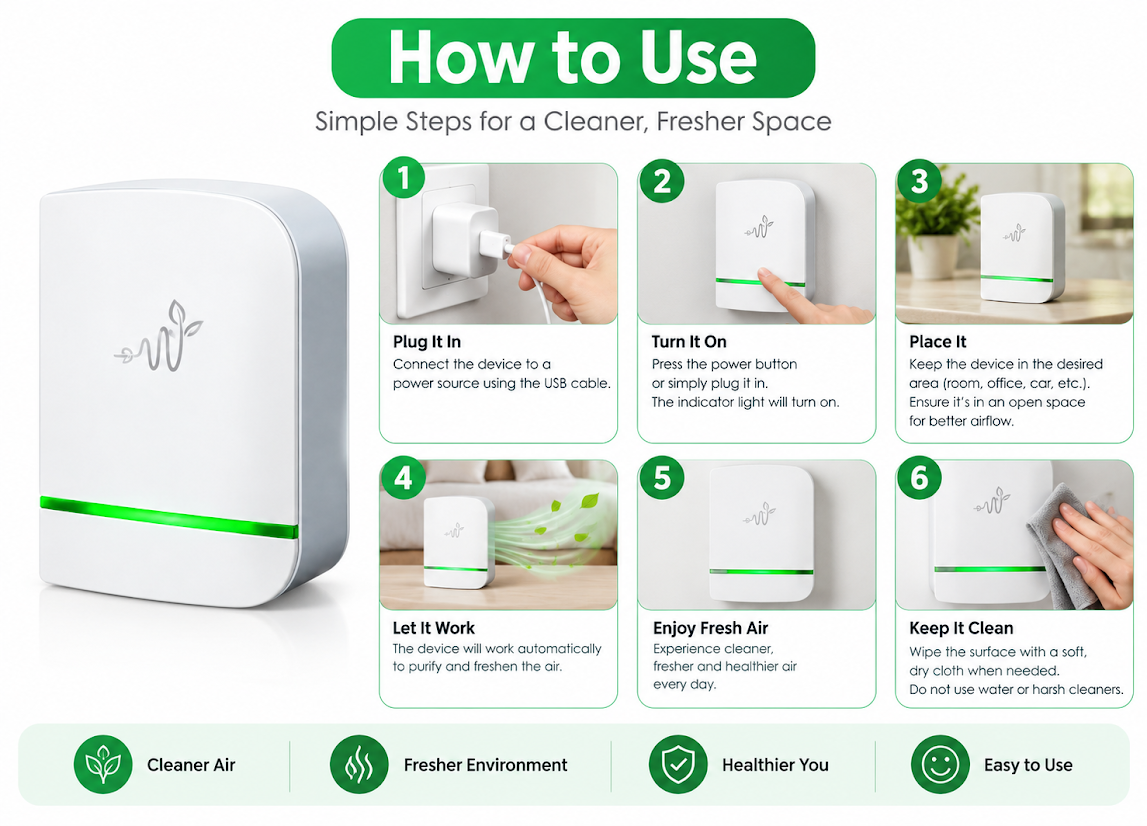
ZeroWattic Power Saver is presented as a compact plug-in device intended to be used with a home’s electrical system. The product shown in the image consists of a small white unit accompanied by branded packaging.
The basic concept behind products in this category is generally related to power management, power quality, or electrical efficiency. Depending on the technology actually used inside a particular device, it may be designed to interact with certain electrical characteristics rather than directly reducing the electricity consumed by every appliance.
That distinction is important.
A household electricity bill is primarily based on the amount of electrical energy consumed over time, usually measured in kilowatt-hours (kWh). Therefore, consumers should not automatically assume that plugging a small device into a wall socket will dramatically reduce the energy used by appliances.
ZeroWattic’s actual performance depends on its internal electrical design, the type of loads in the property, installation conditions, and the claims supported by independent testing.

How Does ZeroWattic Power Saver Work?
The exact operating mechanism should be confirmed from the manufacturer’s technical documentation rather than assumed from the product’s appearance.
Generally, electricity-saving devices marketed as plug-in power savers may discuss concepts such as power factor, voltage fluctuations, electrical noise, or power quality.
Power factor is particularly relevant to certain electrical loads. Some motors and other equipment can have a lower power factor, meaning the relationship between real power and apparent power is different from a simple resistive appliance such as a basic heater.
However, there is an important distinction between:
- Improving electrical characteristics, and
- Reducing the amount of energy a household is billed for.
For many residential customers, electricity meters measure real energy consumption. Improving power factor does not automatically mean that the household will use substantially fewer kWh.
Therefore, anyone considering ZeroWattic should look for independent testing, measurable before-and-after energy consumption, and clear technical specifications rather than relying solely on promotional statements.
ZeroWattic Power Saver Features
Based on the product presentation, ZeroWattic is designed around simplicity and convenient household use.
1. Compact Design
The device has a relatively small form factor, making it easy to place near a standard electrical outlet without requiring complicated installation.
2. Plug-In Concept
One of the main attractions of products like ZeroWattic is the possibility of using a plug-in device rather than hiring an electrician for a complicated installation.
3. Simple Appearance
The white enclosure and straightforward design give the unit a conventional household-electronics appearance.
4. Intended for Home Electricity Management
The product is presented as a solution aimed at household electricity usage and power-related concerns.
5. Potentially Convenient for Everyday Use
If the manufacturer’s instructions confirm that no permanent electrical modification is necessary, the plug-in format can make installation considerably simpler than dedicated electrical equipment.
Why Are People Interested in Power-Saving Devices?
The biggest reason is straightforward: electricity costs add up quickly.
A household may operate several appliances simultaneously. Even when each appliance appears inexpensive to run individually, their combined consumption can become significant over a month.
For example, electricity usage can come from:
- Air conditioners
- Refrigerators
- Water heaters
- Washing machines
- Televisions
- Computers
- Fans
- Lighting
- Kitchen appliances
- Pumps and motors
This makes the idea of a small device capable of reducing electrical expenses attractive.
However, consumers should distinguish between a genuine energy-efficiency improvement and a marketing claim that sounds more dramatic than the underlying electrical effect.
Does ZeroWattic Really Save Electricity?
This is the most important question.
There is no responsible way to guarantee a specific percentage of savings without reliable, independent evidence showing how much energy the device saves under defined testing conditions.
For example, if a household normally consumes 500 kWh per month, a meaningful energy-saving claim should ideally demonstrate measurable changes under comparable conditions.
A proper comparison would involve:
Before installation:
Measure electricity consumption for a defined period.
After installation:
Measure consumption again while keeping major variables as similar as possible.
Those variables could include weather, air-conditioner usage, occupancy, appliance usage, thermostat settings, and operating hours.
Without controlling those factors, a lower electricity bill cannot automatically be attributed to ZeroWattic.
For this reason, consumers should be cautious about statements promising dramatic or guaranteed savings.
ZeroWattic Power Saver Reviews: What Should Buyers Look For?
When researching ZeroWattic reviews, don’t look only at star ratings or short promotional testimonials.
Instead, look for detailed experiences that explain:
- How long the customer used the device
- What type of home they have
- Their approximate electricity consumption
- What appliances they regularly use
- Their bill before installation
- Their bill afterward
- Whether other energy-saving changes were made
- Whether the device was independently tested
A useful review should provide enough information to understand why the customer believes the device helped.
A statement such as “My bill dropped” is less informative if there is no information about changes in appliance usage or seasonal conditions.
Potential Benefits of ZeroWattic
There are several reasons someone might consider a device like ZeroWattic.
Easy Installation
A compact plug-in product can be easier to install than equipment requiring electrical modifications.
Small Physical Footprint
Its compact design means it shouldn’t require significant space.
No Major Lifestyle Change
Unlike reducing air-conditioner usage or switching appliances, a plug-in device is intended to operate in the background.
Interest in Power Management
For consumers interested in electrical efficiency and power quality, a product like this may be worth researching as one possible component of a broader energy-management strategy.
Potential Convenience
If the device is compatible with the household electrical system and meets applicable safety requirements, its plug-in format can be convenient.
Possible Limitations and Things to Consider
ZeroWattic should not be viewed as a replacement for proven energy-efficiency measures.
One of the biggest limitations is that a small plug-in device cannot automatically eliminate the energy consumed by major appliances.
For example, an air conditioner still requires energy to cool a room. A refrigerator still requires energy to maintain its temperature. A water heater still needs energy to heat water.
Therefore, consumers should carefully examine exactly what ZeroWattic claims to accomplish.
Don’t Assume Guaranteed Savings
Electricity savings depend on numerous variables. A fixed percentage should not be assumed without supporting evidence.
Check Electrical Safety Information
Before plugging any electrical device into a wall outlet, check the manufacturer’s safety instructions, electrical ratings, certification information, and intended operating environment.
Verify the Return Policy
A clearly stated refund or return policy can be important when purchasing a product whose performance may vary between households.
Check the Actual Manufacturer Information
Product specifications, pricing, warranty terms, certifications, and availability can change. Always verify current information before ordering.
ZeroWattic vs. Proven Ways to Reduce Electricity Bills
For households primarily interested in lowering their monthly electricity bill, several conventional approaches have measurable effects.
Improve Air-Conditioner Efficiency
Set appropriate temperatures, clean filters regularly, and ensure the unit is correctly maintained.
Reduce Standby Consumption
Turn off equipment that does not need to remain powered continuously.
Use Efficient Lighting
LED lighting generally uses considerably less electricity than older incandescent lighting for comparable illumination.
Monitor High-Consumption Appliances
An electricity monitor can help identify which appliances are consuming the most energy.
Improve Home Insulation
Better insulation can reduce the amount of energy required for heating or cooling.
Maintain Refrigerators and Freezers
Keeping seals in good condition and maintaining appropriate temperature settings can help avoid unnecessary energy consumption.
These measures have a clearer connection to reducing actual energy consumption.
Is ZeroWattic Easy to Install?
The product’s compact plug-in design suggests that installation is intended to be straightforward, but buyers should follow the manufacturer’s exact instructions.
Do not open, modify, or attempt to repair an electrical device unless you are qualified to do so.
The appropriate procedure should come from the product documentation and should include information about compatible outlets, electrical ratings, operating conditions, and safety precautions.
If there is any uncertainty about compatibility with a home’s electrical system, consulting a qualified electrician is the safer option.
Who Might Consider ZeroWattic?
ZeroWattic may attract homeowners, renters, and consumers interested in exploring different approaches to household electricity management.
It may be particularly interesting to people who:
- Want to investigate power-management products
- Prefer simple plug-in equipment
- Are looking for ways to monitor or improve household energy efficiency
- Want to learn more about power factor and electrical efficiency
- Are willing to compare actual electricity consumption before and after installation
However, consumers expecting guaranteed dramatic reductions should carefully investigate the evidence behind those expectations.

Final Verdict: Should You Buy ZeroWattic Power Saver?
ZeroWattic Power Saver is an interesting product concept because it attempts to address a common concern: rising household electricity expenses.
Its compact plug-in format is convenient, and the idea of improving electrical efficiency is certainly worth understanding. However, the most important consideration is not how attractive the product sounds—it is whether the device produces a measurable reduction in real electricity consumption under realistic household conditions.
Before buying, check the current manufacturer’s information for:
- Technical specifications
- Electrical ratings
- Safety certifications
- Warranty details
- Return/refund policy
- Independent test results
- Clearly explained savings claims
- Current pricing and availability
Most importantly, don’t confuse power-quality or power-factor concepts with guaranteed reductions in residential electricity bills.